

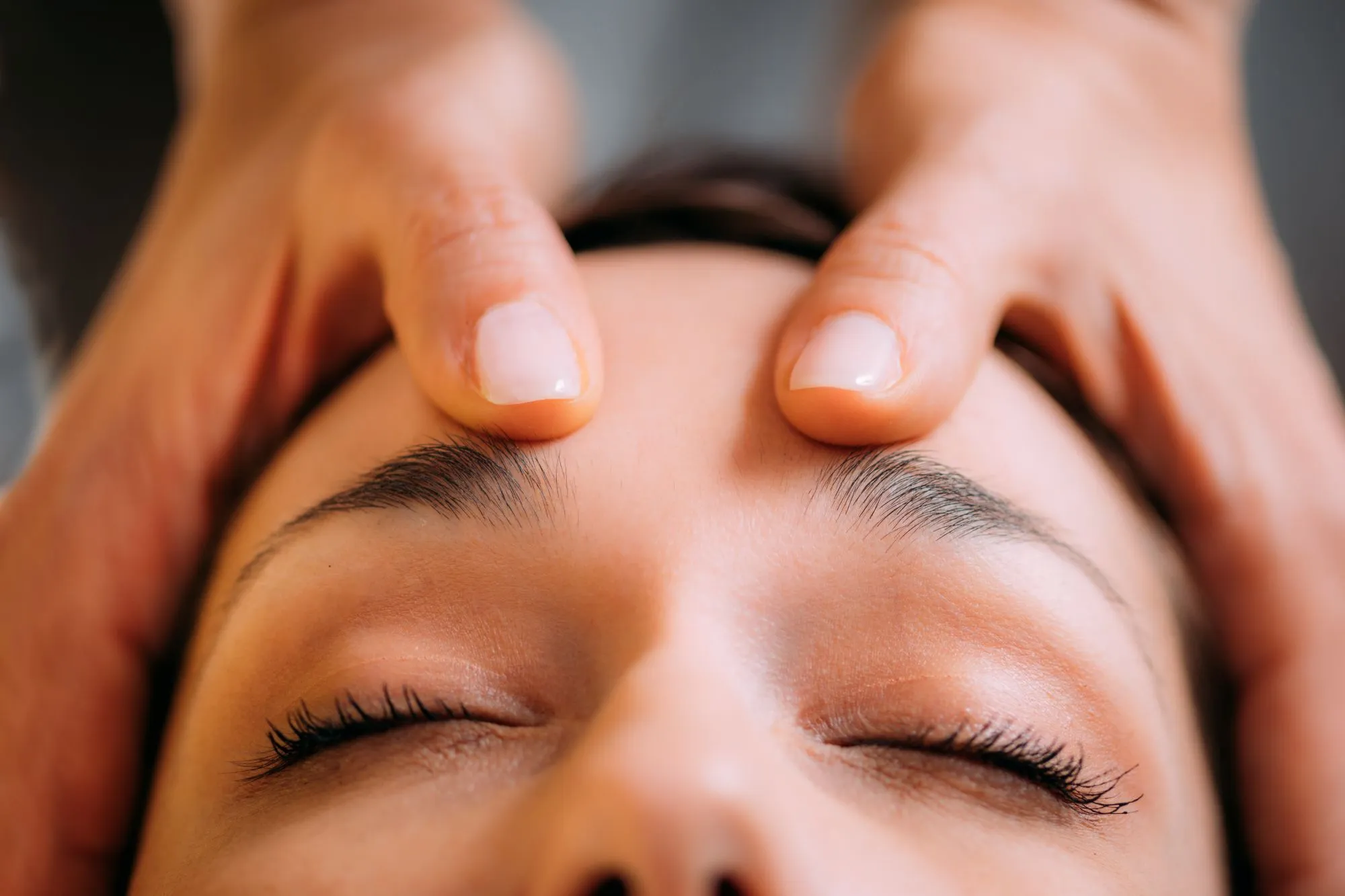
Craniosacral therapy vs massage for nervous system stress is a comparison many people consider when symptoms seem driven more by stress overload than by a specific muscle injury. In these situations, tension, fatigue, poor sleep, heightened sensitivity, and difficulty recovering may be more prominent than localized pain. While both therapies can support recovery, they work differently. At Remedial Wellness, we help clients understand whether their symptoms are more likely to benefit from calming nervous system input, direct tissue treatment, or a combination of both approaches.
How Nervous System Stress Shows Up in the Body
Nervous system stress often appears through symptoms that do not always match the location of discomfort. A person may experience neck tension, headaches, jaw tightness, digestive changes, poor sleep, fatigue, heightened sensitivity, or difficulty relaxing even when there is no obvious injury.
Unlike primary muscular problems, nervous system-driven symptoms often fluctuate, affect multiple body systems, and may not correspond to a single area of tissue dysfunction. Symptoms may move between body regions, change in intensity from day to day, or persist despite rest.
Many people describe feeling constantly on edge, easily overwhelmed, or unable to fully recover after work, emotional stress, or everyday demands. This does not mean symptoms are purely psychological. Stress-related nervous system activation can influence muscle tension, breathing patterns, sleep quality, pain sensitivity, and recovery capacity throughout the body.
In this context, nervous system overload refers to prolonged stress activation that reduces the body’s ability to recover efficiently. Signs such as widespread tension, poor sleep, fatigue, heightened sensitivity, emotional reactivity, and inconsistent pain patterns often suggest that nervous system stress is contributing to symptoms alongside any physical discomfort.
What Massage Therapy Does Well Under Stress Conditions
Massage therapy can be effective when nervous system stress has created physical symptoms such as muscle tension, restricted movement, jaw tightness, headaches, or discomfort related to prolonged stress.
By working directly with muscles and soft tissues, massage may help reduce physical tension and create conditions that support relaxation. Many clients notice improvements in comfort, mobility, and body awareness following treatment.
Massage can also influence the nervous system indirectly through relaxation, sensory input, and reduced muscle guarding. However, its primary focus remains mechanical tissue treatment. For individuals whose symptoms are largely driven by accumulated muscle tension, massage may provide significant relief.
Massage may be less effective when symptoms continue despite reductions in tissue tension or when heightened sensitivity becomes the dominant concern. Outcomes often depend on whether physical tension is the primary source of symptoms or whether it is a secondary response to ongoing nervous system stress.
The amount of pressure used matters. While some people respond well to moderate or deeper pressure, others experiencing high stress sensitivity may find intensive treatment less comfortable or less beneficial.
How Craniosacral Therapy Targets Nervous System Overload
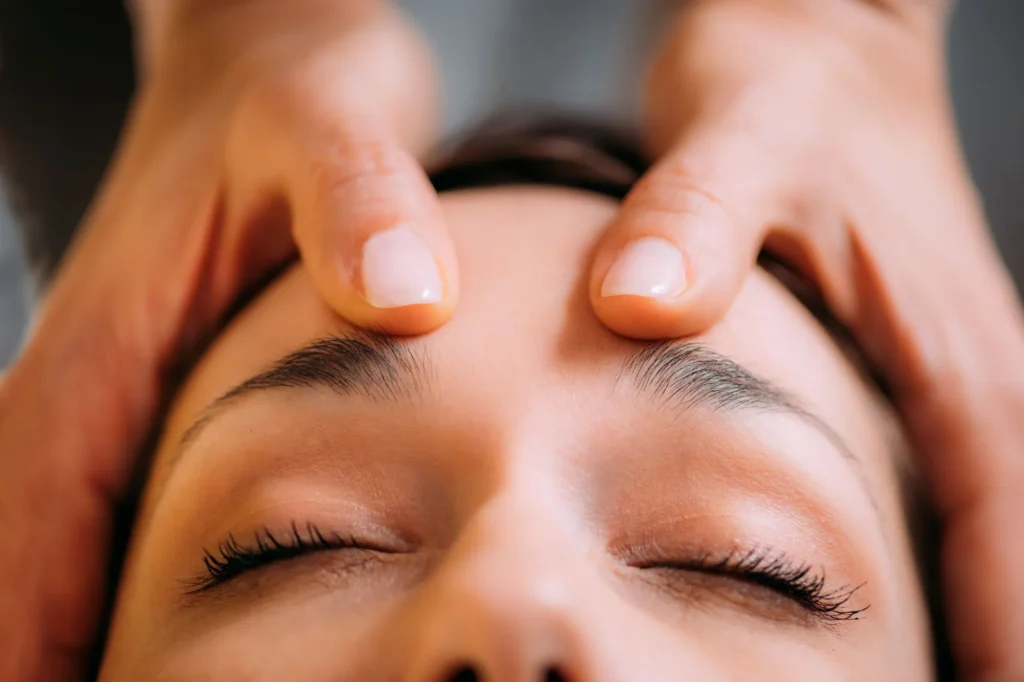
Craniosacral therapy approaches recovery from a different direction. Rather than focusing primarily on muscles, treatment emphasizes gentle contact intended to support relaxation and nervous system regulation.
This approach is often considered when symptoms appear disproportionate to physical findings or when clients report heightened sensitivity, chronic stress, burnout, difficulty settling, or ongoing tension that does not respond consistently to more direct intervention.
Because the treatment is gentle, some individuals find it easier to tolerate during periods of significant stress or reduced recovery capacity. People who feel overwhelmed by stronger physical input may find a lower-input approach more comfortable and easier to integrate.
The goal is not to mechanically release tissue in the same way massage does, but to create an environment that encourages the body to shift toward a calmer state. When treatment is effective, clients may notice improvements in relaxation, sleep quality, stress tolerance, emotional regulation, and overall recovery capacity.
Responses vary between individuals. Some people notice changes quickly, while others require multiple sessions before determining whether the approach is helpful for their situation.
Key Differences in How Each Therapy Affects Stress
The primary difference lies in where treatment places its emphasis.
Massage therapy focuses on muscles, connective tissue, movement restrictions, and physical manifestations of stress. Improvements often occur through direct interaction with the tissues that have become tight, overworked, or uncomfortable.
Craniosacral therapy places greater emphasis on nervous system regulation and reducing overall stress load. Rather than working through mechanical pressure, treatment uses a lighter approach designed to support relaxation and recovery.
As a general pattern, symptoms dominated by localized tension, movement restriction, and physical discomfort often respond well to massage. Symptoms characterized by heightened sensitivity, poor recovery, persistent stress activation, sleep disruption, and difficulty relaxing may be better suited to a nervous system-focused approach.
Mixed presentations are common. Many individuals experience both physical tension and nervous system overload simultaneously, which is why treatment strategies sometimes incorporate more than one approach.
Signs Massage May Be Too Stimulating
Most people tolerate massage well. However, some individuals experiencing significant nervous system overload may find certain types of massage overly stimulating.
Signs may include feeling exhausted rather than restored after treatment, difficulty relaxing during the session, increased sensitivity to pressure, prolonged soreness beyond what would normally be expected, feeling emotionally overwhelmed, or noticing that deeper pressure increases stress rather than reducing it.
Occasional fatigue after treatment can be a normal response. However, repeated overstimulation, persistent discomfort, worsening sensitivity, or feeling consistently depleted after sessions may suggest that treatment should be adjusted.
These reactions do not necessarily mean massage is inappropriate. In many cases, modifying pressure, treatment duration, frequency, or treatment goals can improve the experience. For some individuals, a gentler approach may support better relaxation, improved recovery, and greater treatment tolerance.
When Craniosacral Therapy May Be Insufficient Alone
Craniosacral therapy may not address every contributor to discomfort. When symptoms involve significant muscle tension, movement restrictions, postural strain, repetitive-use patterns, or soft tissue dysfunction, nervous system-focused treatment alone may not fully address the problem.
Persistent movement restrictions, ongoing muscle guarding, recurring postural strain, or physical symptoms that remain largely unchanged may indicate that additional intervention is needed.
Some clients benefit from combining approaches rather than relying exclusively on one therapy. Physical tension and nervous system stress often influence each other, making it reasonable to address both when appropriate.
It is generally helpful to reassess progress after several treatment sessions rather than assuming immediate results will occur. There is no universal timeline. The number of sessions required depends on symptom duration, severity, recovery capacity, stress load, and individual response to treatment.
Choosing Based on Sensitivity, Stress Load, and Recovery Capacity
Treatment selection is often less about diagnosis and more about how the body is responding to stress.
Sensitivity refers to how strongly a person responds to physical, emotional, or environmental input. Recovery capacity refers to the body’s ability to recover from physical exertion, emotional demands, and everyday stressors. Stress load reflects the total amount of ongoing demand placed on the body and nervous system.
Individuals with pronounced sensitivity, burnout, persistent fatigue, poor sleep, heightened stress responses, or reduced recovery capacity may prefer starting with a gentler nervous system-focused approach.
Individuals whose symptoms are dominated by muscle tension, movement restriction, or physical discomfort may respond more favourably to massage therapy.
The two therapies are not mutually exclusive. Many people alternate between approaches without conflict when treatment goals are clearly defined. A person may use craniosacral therapy during periods of heightened stress sensitivity and incorporate massage therapy when physical tension becomes a more significant contributor to symptoms. This flexibility can be useful because symptom patterns often change as recovery progresses.
At Remedial Wellness, treatment recommendations are guided by symptom presentation, stress load, sensitivity, recovery capacity, and treatment response rather than a one-size-fits-all approach.


