
Craniosacral therapy vs massage for nervous system stress is a choice many people face when their symptoms feel driven more by stress overload than by a specific muscle injury. Tension that moves around the body, poor sleep, fatigue, heightened sensitivity and trouble recovering can all outweigh any single sore spot. Both therapies can help, but they work through different inputs. At Remedial Wellness in Edmonton, our team looks at how your body is responding to stress and helps you decide whether calming, low-pressure input, direct soft tissue work, or a mix of both is the better place to start.
How Nervous System Stress Shows Up in the Body
When the stress response stays switched on, the body spends more time in its fight-or-flight state, driven by the sympathetic side of the autonomic nervous system, and less time in the rest-and-digest state that supports recovery. That shift can show up as neck and shoulder tension, tension headaches, jaw clenching, shallow breathing, digestive changes, poor sleep, fatigue and a lower tolerance for touch, noise or pressure, often with no clear injury behind it.
A useful way to tell whether stress is mainly neurological rather than muscular is to look at the pattern. Muscular problems tend to stay in one area, link to a specific movement or posture, and ease when the tissue is treated or rested. Nervous system-driven symptoms tend to move around the body, change from day to day, flare with stress or poor sleep, and persist even after rest or good hands-on treatment.
Many people describe feeling constantly on edge, easily overwhelmed or unable to fully recover after work, family demands or emotional stress. This does not mean the symptoms are only in your head. Ongoing stress activation changes muscle tone, breathing, sleep quality, pain sensitivity and recovery capacity throughout the body.
In this article, nervous system overload means prolonged stress activation that leaves the body less able to recover. Widespread tension, broken sleep, fatigue, heightened sensitivity, emotional reactivity and pain that does not follow a consistent pattern all suggest the nervous system is contributing alongside any physical discomfort.
What Massage Therapy Does Well Under Stress Conditions
Massage therapy is effective when stress has built up as physical symptoms like tight neck and shoulder muscles, restricted movement, jaw tension or tension headaches. Working directly with muscles, fascia and other soft tissues reduces that tension and gives the body a clear signal to let go.
Massage also calms the nervous system indirectly. Slow, rhythmic pressure, warm hands and reduced muscle guarding can help the body move toward a rest-and-digest state, and many clients leave with better comfort, mobility and body awareness.
Its main focus is still mechanical, though. When most of the symptoms come from accumulated muscle tension, massage can bring significant relief. When symptoms continue after the tissue has softened, or when sensitivity itself is the main problem, massage alone tends to help less, because the tension is a response to the stress rather than the source of it.
Pressure matters. Some people respond well to moderate or deep tissue work, while others under heavy stress do better with lighter relaxation or Swedish-style massage. A registered massage therapist can adjust pressure, pace and session length to match how much input your nervous system can comfortably take.
How Craniosacral Therapy Targets Nervous System Overload
Craniosacral therapy comes at stress from a different direction. Instead of working into the muscles, the practitioner uses very light, still contact around the head, spine and sacrum, usually about the weight of a few coins, with the aim of supporting relaxation and nervous system regulation. Biodynamic craniosacral therapy, a slower and more listening-based style, puts even more emphasis on letting the body settle on its own terms.
This approach is often considered when symptoms seem out of proportion to what is found physically, or when someone reports heightened sensitivity, chronic stress, burnout, difficulty settling or tension that does not respond consistently to stronger hands-on work.
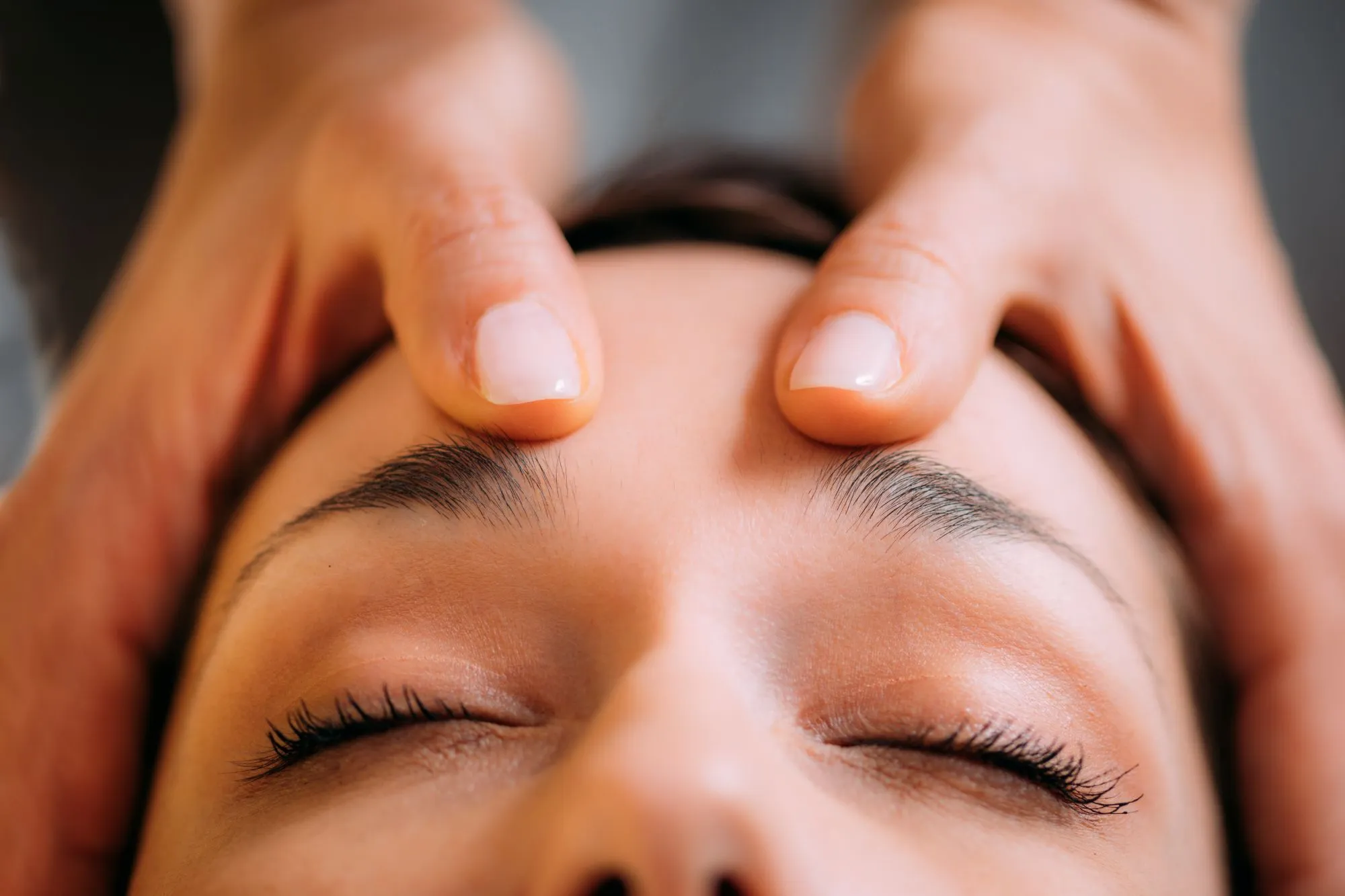
Because the contact is so gentle, it can be easier to tolerate during periods of high stress or low recovery capacity, and people who feel overwhelmed by firm pressure often find it more comfortable. The goal is not to release tissue mechanically the way massage does, but to give the body the conditions to shift toward a calmer state. When it helps, people often notice deeper relaxation, better sleep, improved stress tolerance and steadier energy.
It is worth being clear that research on craniosacral therapy is still limited and mixed, and much of what people report is experiential. Responses vary widely. Some notice a change after one or two sessions, while others need several sessions before they can tell whether it is helping.
Key Differences in How Each Therapy Affects Stress
The biggest difference is where each treatment puts its emphasis.
- Massage therapy works through muscles, fascia and movement restrictions, using moderate to firm pressure to reduce the physical tension stress leaves behind.
- Craniosacral therapy works through very light, sustained contact, aiming to lower overall stress load and support nervous system regulation rather than change the tissue directly.
- Massage usually suits localized tension, stiffness and discomfort tied to posture or repetitive strain.
- Craniosacral therapy usually suits heightened sensitivity, poor recovery, broken sleep, constant stress activation and difficulty relaxing.
Mixed presentations are common. Many people carry real muscle tension and nervous system overload at the same time, which is why a plan that uses both approaches at different points can work better than choosing only one. Our article on when multiple therapies are better than one explains how that kind of plan is put together.
Signs Massage May Be Too Stimulating
Most people tolerate massage well, but yes, massage can sometimes add to nervous system stress, especially when pressure is too deep for how sensitive the body is at that moment. Signs include:
- Feeling drained or wired rather than restored after a session
- Struggling to relax or breathe easily on the table
- Increased sensitivity to pressure, or soreness lasting well beyond a day or two
- Feeling emotionally overwhelmed during or after treatment
- Noticing that deeper pressure raises your stress instead of lowering it
Some tiredness after treatment is normal. Repeated overstimulation, lasting discomfort, growing sensitivity or feeling consistently depleted are signs the treatment should be adjusted.
These reactions do not mean massage is wrong for you. Lighter pressure, shorter sessions, more time between appointments or a change in treatment goals often fixes the problem. For some people, a gentler approach simply leads to better relaxation, better recovery and fewer flare-ups, which is also why gentle care is often recommended in our guide to fibromyalgia therapy options.
When Craniosacral Therapy May Be Insufficient Alone
Craniosacral therapy may not cover everything that is driving discomfort. When symptoms involve significant muscle tension, restricted movement, postural strain from desk work, repetitive-use patterns or other soft tissue problems, a nervous system-focused approach on its own may leave part of the problem untouched.
Movement that stays restricted, muscles that keep guarding, postural strain that keeps coming back, or physical symptoms that barely change are all signs that hands-on work like massage or manual osteopathy should be added.
Physical tension and nervous system stress feed each other, so it often makes sense to address both. As a general guide, give a nervous system-focused approach about three to four sessions over several weeks before reassessing, and judge it by changes in sleep, stress tolerance and how quickly you recover, not only by pain. There is no universal timeline, and the right number of sessions depends on how long symptoms have been present, how severe they are, your stress load and how your body responds.
Choosing Based on Sensitivity, Stress Load, and Recovery Capacity
Choosing between these therapies is often less about a diagnosis and more about how your body is handling stress right now. Three factors help:
- Sensitivity is how strongly you react to physical, emotional or environmental input.
- Stress load is the total demand on your body and nervous system from work, family, sleep, pain and health.
- Recovery capacity is how well you bounce back from physical effort, emotional demands and everyday stress.
Gentle therapy tends to produce better outcomes than deeper work when sensitivity is high, stress load is heavy and recovery capacity is low, such as during burnout, after a long period of poor sleep, or when deeper pressure has caused flare-ups before. People whose symptoms are mostly muscle tension, stiffness or physical discomfort usually respond better to massage therapy.
The two are not mutually exclusive, and you can alternate between them without conflict as long as each session has a clear goal. Many people lean on gentle, nervous system-focused care during high-stress periods and bring in massage when physical tension becomes the bigger issue, adjusting as their symptoms change during recovery.
At Remedial Wellness, recommendations are based on your symptoms, stress load, sensitivity, recovery capacity and how you respond to treatment, not a one-size-fits-all plan. If you are unsure where to start, contact our Edmonton clinic and our team will help you choose the right approach.